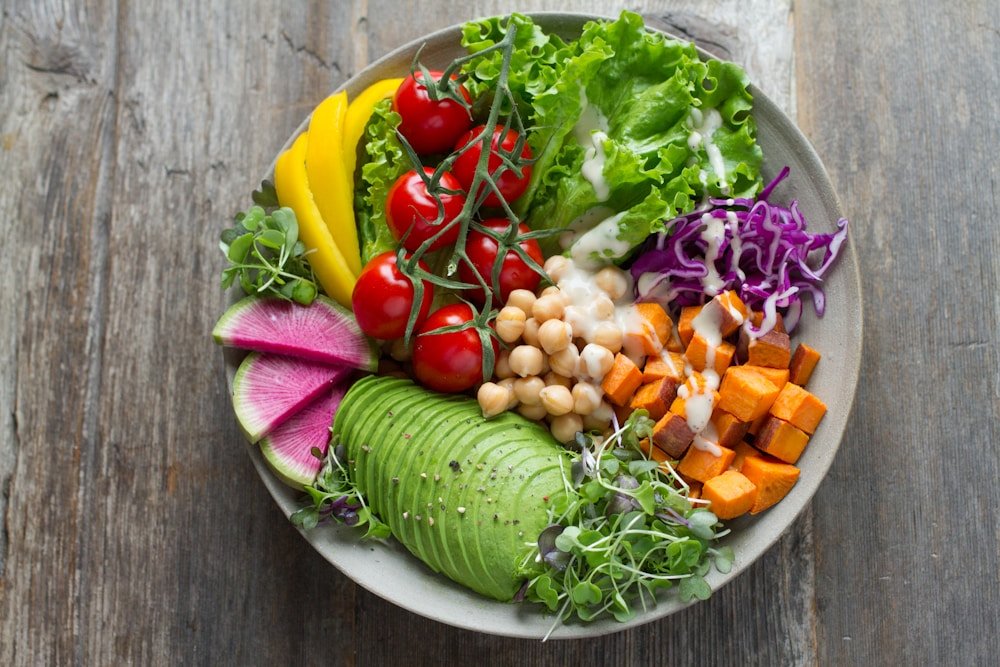
Eating well doesn’t have to mean a complete kitchen makeover. Sometimes, the most useful change is the one small thing you can repeat tomorrow.
Start by adding, not taking away
Before you focus on what to cut out, think about what you can bring in. Add a handful of vegetables to a familiar meal, put a piece of fruit beside your breakfast, or try beans in a soup you already enjoy.
This keeps the focus on nourishment rather than a list of rules. Fresh, frozen, and canned produce can all have a place. Choose options that work for your budget and routine; look for lower-sodium canned vegetables or fruit without added sugar when available.
Think in a few simple building blocks
A balanced meal can include a mix of vegetables or fruit, a source of protein, and a fiber-rich carbohydrate such as whole grains. Small amounts of unsaturated fats, like those in olive oil, nuts, or seeds, can also fit into a varied eating pattern.
- For color: try a vegetable you like prepared a different way.
- For protein: consider beans, lentils, tofu, eggs, fish, or another option you enjoy.
- For fiber: swap in oats, brown rice, or whole-grain bread when it suits the meal.
- For a drink: keep water within easy reach throughout your day.
A small step to try
Choose one meal you eat often. Add one nourishing ingredient to it this week. That’s enough of a starting point.
Make your routine easier to repeat
Convenience isn’t the enemy of eating well. Washed greens, frozen vegetables, canned beans, and simple leftovers can reduce the effort involved in preparing a meal. Keep a short list of meals that feel manageable, rather than planning an entirely new menu every day.
Leave room for real life
Food is also about culture, connection, comfort, and enjoyment. One meal doesn’t define your health, and balance doesn’t need to look the same for everyone. Avoid restrictive detoxes or plans that promise instant results.
If you have a medical condition, food allergies, a history of disordered eating, or specific nutritional needs, ask a registered dietitian or qualified healthcare professional for individual guidance.
The takeaway
A healthier plate is less about perfection and more about a pattern you can live with. Start small, stay curious, and let consistency matter more than getting every bite “right.”
Explore further
USDA MyPlate: building a balanced eating pattern ↗This article is general education, not medical advice. Speak with a qualified healthcare professional about your individual circumstances.